February 27, 2026
What is a customer journey map
Understand your customers more deeply and create better experiences
Eugene,
UX/UI Designer

Imagine this:
You’ve spent countless hours designing the perfect product and crafting a compelling marketing strategy, only to watch customers mysteriously abandon their shopping carts. Before you rush to overhaul your product or marketing efforts, consider taking a closer look at the journey your customers are on—and where they might be getting stuck.
Read on to learn:
What a customer journey map is
The stages of the customer journey
How to create a customer journey map
Customer journey map examples
Why journey mapping is important
What is a customer journey map
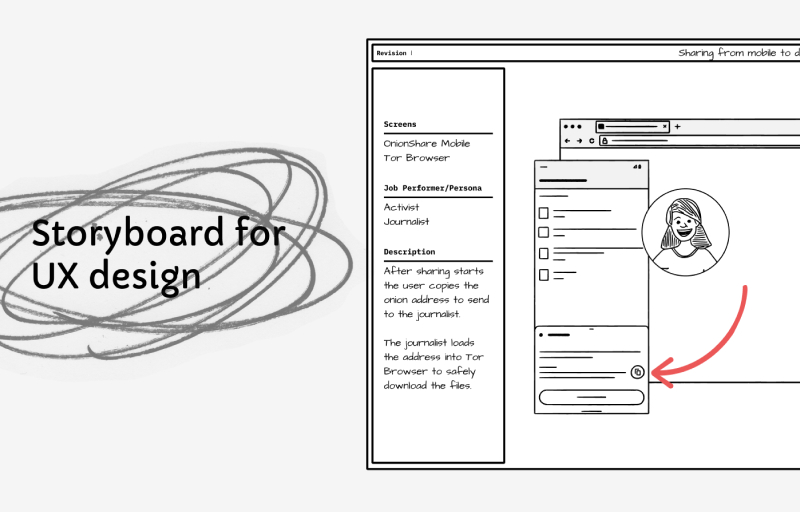
UX storyboards are early sketches of a user’s journey through a specific flow. They show how users navigate your product, what happens when they use it, or both.
A customer journey map is a visual overview of the steps users take when interacting with your brand. It charts the actions, emotions, and touchpoints your customer goes through, giving you valuable insights to improve their experience.
For instance, a food delivery company may use a customer journey map to outline the process a user takes when ordering a meal on its app. By mapping out each stage—from browsing food options to tracking the delivery—the company can spot potential pain points, like long wait times. With this information, they can then fine-tune the process to ensure quicker deliveries and happier, returning customers.
What’s included in a customer journey map?
A customer journey map includes the following components:
Stages. Every journey map outlines the phases a customer goes through, from initial discovery to post-purchase interactions.
User personas. These represent your ideal customer segments, giving you insights into their motivations and needs.
Touchpoints. Every interaction—direct or indirect—between a user and your brand is a touchpoint. Think beyond the screen, from your app and social feeds to support tickets and word of mouth.
Pain points. These are the friction, hurdles, and frustrations that stall a user’s progress. Mapping them reveals exactly where the customer experience is breaking down and where your design needs to pivot.
Actions, thoughts, and feelings. These include the “what,” “why,” and “how” of the user experience. By mapping specific behaviors (like checking out) against internal emotions (like anxiety over shipping), you bridge the gap between what users do and how they actually feel.
Opportunities and learnings. These are key insights from your map. It’s where you turn analysis into action—identifying design gaps, uncovering new features, and refining your strategy based on a deeper understanding of user behavior.
Pro tip:
Focus on pain points when mapping a current state to fix existing problems, but prioritize feelings and actions when mapping a future state to design entirely new visions.
The five stages of the customer journey


Each stage of the customer journey comes with its own touchpoints, actions, and emotions. Here’s what they look like:
Consider using these UX research sources:
Awareness. The customer recognizes a specific need or problem and begins exploring the landscape for answers. Their intent is to educate themselves on potential solutions through touchpoints like search engines, social media ads, and educational blog posts.
Consideration. The customer narrows down their options, evaluating your offering against the competition. They aim to validate fit and value by interacting with touchpoints like comparison guides, product webinars, and detailed case studies.
Decision. The customer is ready to commit and finalize their choice. They want to complete the transaction with zero friction, relying on touchpoints such as the checkout page, pricing tables, and promotional discount emails.
Retention. The focus shifts to successful onboarding and ensuring the customer achieves their desired outcome. They aim to get immediate value from the product, engaging with touchpoints like welcome emails, help center documentation, and customer support chats.
Loyalty. The customer moves beyond mere satisfaction to becoming a vocal supporter of your brand. Their goal is to maximize their long-term success and stay connected, often via touchpoints like loyalty programs, community forums, and word-of-mouth referrals.
How to create a customer journey map
Your customer journey map doesn’t have to be elaborate to be effective. Follow these five steps to outline your customer journey map
Step 1: Start with a goal
Define the specific goal you hope to achieve, whether it’s solving a problem or exploring an opportunity. What do you need to know about your users to improve the customer experience? Is there a customer behavior you’re trying to understand, like abandoning a full shopping cart? Or are you looking for ways to win customers on TikTok? Or maybe you’re just looking for new ways to personalize the customer experience and encourage repeat business.
Once you’ve set your goal, identify the specific customer segment you’re targeting. This will help you focus your efforts and ensure your journey map resonates with their experiences.
Step 2: Collect customer insights
Gather any relevant customer data to identify key touchpoints and actions within the customer journey. Website and app analytics can help track behaviors like cart abandonment, while social media polls might reveal customer habits and preferences.
Since customers interact with brands through multiple channels, collect qualitative customer data through user interviews. By having customers share their experiences, you can pinpoint critical moments in their journey.
Step 3: Develop customer personas
Customers have various needs and behaviors, making personas essential for an effective customer journey map. Think of personas as the characters navigating your map—each taking opposite paths, making specific decisions, and experiencing unique emotions before they reach their destination.
Personas help you empathize with customers, allowing you to create a more detailed and customer-centric journey map. Outline common customer behaviors, then refine personas with research, detailing their needs, goals, and motivations. User testing can help you validate and refine these personas.
Step 4: Plot their journeys
Now turn your research into something visual. Plot the customer’s path from initial awareness to long-term advocacy. In FigJam, you can use stickers to highlight friction points, widget like polls or timers to keep brainstorming moving, and cursor chat to discuss diverging paths in real time.
As you map touchpoints, from support bots to promo emails, layer in the persona’s thoughts and feelings alongside their actions. This way, your whole team is working from the same understanding of the customer experience.
Step 5: Identify opportunities
Based on your insights, identify areas for improvement or ways to enhance the customer experience. Ask yourself these questions to uncover potential opportunities:
What common pain points or obstacles do customers encounter, and how can you eliminate them?
Are there any customer needs you should address?
Can you add touchpoints at each stage to create more personalized experiences that drive engagement and conversions?
How can you reward customers to encourage customer loyalty?
Are your marketing and sales strategies tailored to address customer needs and pain points at the right stage of their journey?
The team at Lextech also recommends sharing your map with user groups to compare their journey with the one you’ve documented. This helps uncover missed steps or new opportunities you may have overlooked.
By analyzing your journey map, you can create an action plan to implement changes that align with your initial goal and foster customer loyalty.
Customer journey map examples